
Social Anxiety: Signs, Symptoms, and When to Seek Help

Most people feel nervous in certain social situations.

Speaking in front of a group, attending a job interview, meeting new people, or walking into a crowded room can make almost anyone feel uncomfortable.

Usually, those feelings pass once the situation is over.

For people living with social anxiety, the experience is very different.

Social situations may trigger intense fear, overwhelming self awareness, and constant worry about being judged, embarrassed, or rejected. These feelings can become so powerful that they interfere with work, school, relationships, and everyday activities.

Many people quietly struggle for years because they believe they are simply shy or introverted.

Social anxiety is not the same as shyness.

It is a treatable mental health condition that deserves understanding and professional support.

Learning to recognize the signs early can help people regain confidence and reconnect with the parts of life they have been avoiding.

What Is Social Anxiety?

Social anxiety, also called social anxiety disorder, is a mental health condition marked by an intense fear of being judged, criticized, or embarrassed in social or performance situations.

The fear often goes beyond ordinary nervousness.

Someone with social anxiety may avoid speaking during meetings, decline invitations from friends, hesitate to ask questions in class, or avoid making phone calls because they fear saying something wrong.

The anxiety can become so intense that people begin arranging their lives around avoiding uncomfortable situations.

Over time, this avoidance often makes the anxiety stronger rather than weaker.

Social Anxiety vs Being Shy

Many people describe themselves as shy.

Shyness is a personality trait.

Social anxiety is a condition that affects daily functioning.

A shy person may feel nervous before meeting new people but still attend social events and enjoy them once they become comfortable.

Someone with social anxiety often experiences overwhelming fear before, during, and even after social interactions.

They may spend hours replaying conversations, worrying they said something embarrassing even when nothing unusual happened.

This ongoing cycle of fear and self criticism is one of the defining features of social anxiety.

Common Signs of Social Anxiety

Social anxiety affects both the mind and the body.

The symptoms vary from person to person, but several patterns are common.

Constant Fear of Being Judged

Many people with social anxiety believe others are paying close attention to everything they do.

They worry about saying the wrong thing, making mistakes, or appearing awkward.

This fear often feels impossible to control.

Avoiding Social Situations

Avoidance is one of the strongest signs of social anxiety.

Some people decline invitations.

Others avoid public speaking, networking events, dating, or even simple conversations with strangers.

Although avoidance brings temporary relief, it often increases anxiety over time.

Physical Symptoms

Social anxiety can cause noticeable physical reactions.

People may experience sweating, trembling, blushing, a racing heart, nausea, dry mouth, dizziness, or shortness of breath before or during social situations.

These physical symptoms often increase embarrassment, creating a cycle that becomes difficult to break.

Overthinking Conversations

After a conversation ends, many people with social anxiety replay every detail in their minds.

They wonder whether they sounded foolish or offended someone.

Even positive interactions may become sources of worry.

Difficulty Building Relationships

Fear of judgment can make forming friendships or romantic relationships feel overwhelming.

Many people want meaningful connections but struggle to take the first step because anxiety becomes a barrier.

Why Does Social Anxiety Develop?

There is rarely one single cause.

Several factors often work together.

Family history may increase vulnerability.

Childhood experiences such as bullying, criticism, rejection, or embarrassment can also influence how someone responds to social situations later in life.

Personality traits play a role as well.

People who are naturally more cautious or sensitive may be more likely to develop social anxiety.

Stressful life experiences can also contribute.

Negative experiences at school, work, or in relationships sometimes strengthen fears about future social interactions.

How Social Anxiety Affects Everyday Life

Many people assume social anxiety only affects parties or public speaking.

Its impact often reaches much further.

Someone may avoid applying for promotions because interviews feel overwhelming.

A college student may avoid participating in class despite knowing the answers.

Another person may postpone medical appointments because speaking with unfamiliar people creates intense anxiety.

Over time, these missed opportunities can affect confidence, education, career growth, and relationships.

The emotional cost often becomes much greater than people realize.

A Real Life Example

Imagine a young professional who has recently started a new job.

She is knowledgeable and hardworking.

During meetings, she rarely speaks because she worries her ideas will sound foolish.

When coworkers invite her to lunch, she politely declines.

After every conversation, she spends hours wondering if she said something embarrassing.

Eventually, her manager assumes she lacks confidence, even though she has excellent skills.

After seeking a psychiatric evaluation, she learns she is experiencing social anxiety disorder.

With appropriate treatment and support, she gradually becomes more comfortable participating in meetings, building relationships, and trusting her abilities.

Stories like this happen every day.

Social anxiety often hides behind silence rather than drawing attention to itself.

When Should You Seek Professional Help?

Many people assume they simply need to become more confident.

They tell themselves they will eventually outgrow their fears or that they need to push harder through uncomfortable situations.

Sometimes confidence grows with experience.

Social anxiety disorder usually does not disappear through willpower alone.

If fear of social situations is affecting your work, education, relationships, or overall quality of life, it is time to consider professional support.

You may also benefit from an evaluation if you regularly avoid important opportunities, experience panic symptoms before social events, or spend hours worrying about conversations after they happen.

The earlier social anxiety is recognized, the easier it often becomes to manage.

How a Psychiatric Mental Health Nurse Practitioner Can Help

A Psychiatric Mental Health Nurse Practitioner, also known as a PMHNP, provides comprehensive care for people experiencing social anxiety and other mental health conditions.

Treatment begins with a thorough psychiatric evaluation.

Rather than focusing only on symptoms, a PMHNP explores your emotional health, daily routines, work, relationships, medical history, family history, and personal experiences.

This helps determine whether your symptoms are related to social anxiety disorder or another condition such as generalized anxiety disorder, panic disorder, depression, or trauma.

Every treatment plan is personalized because every person’s experiences and goals are different.

Social Anxiety Treatment Options

Social anxiety is highly treatable.

Many people experience meaningful improvement with the right combination of care and consistent support.

Therapy

Therapy is one of the most effective treatments for social anxiety.

Many individuals benefit from cognitive behavioral therapy, which helps identify unhelpful thought patterns and replace them with healthier ways of thinking.

Therapy also provides practical strategies for managing anxiety in real life situations.

As confidence grows, everyday interactions often become less overwhelming.

Medication Management

Medication may be recommended when symptoms are moderate to severe or significantly interfere with daily functioning.

A PMHNP carefully evaluates whether medication is appropriate and monitors progress over time.

Medication is often used alongside therapy rather than replacing it.

The goal is to reduce symptoms while helping people build long term coping skills.

Lifestyle Habits That Support Recovery

Professional treatment works best when combined with healthy daily habits.

Getting enough sleep, staying physically active, limiting excessive caffeine, practicing relaxation techniques, and maintaining supportive relationships all contribute to emotional wellbeing.

Small, consistent improvements often create lasting change.

Practical Ways to Build Confidence

Recovery does not happen by forcing yourself into overwhelming situations.

It happens gradually.

Many people begin by setting small, realistic goals.

That could mean making brief eye contact during conversations, introducing yourself to a new coworker, or asking one question during a meeting.

Each positive experience helps challenge the belief that every social interaction will end badly.

Celebrating progress, even when it feels small, encourages continued growth.

Confidence is built through repeated practice rather than perfection.

Common Myths About Social Anxiety

Many misunderstandings prevent people from seeking treatment.

One common myth is that social anxiety is simply shyness.

While shyness is a personality trait, social anxiety is a mental health condition that can interfere with daily life.

Another myth is that people with social anxiety dislike being around others.

In reality, many want friendships, meaningful relationships, and successful careers.

Their fear of judgment often keeps them from pursuing those goals.

Some also believe avoiding social situations solves the problem.

Avoidance may provide temporary relief, but it often strengthens anxiety over time.

Learning healthier ways to respond to fear is usually much more effective.

Supporting Someone With Social Anxiety

If someone close to you struggles with social anxiety, patience and understanding can make a significant difference.

Avoid criticizing them for being quiet or encouraging them to simply “get over it.”

Instead, listen without judgment.

Offer encouragement while respecting their comfort level.

Support them in seeking professional care if anxiety continues affecting their daily life.

Recovery becomes easier when people feel accepted rather than pressured.

Looking Toward Recovery

Many people worry they will always struggle with social anxiety.

Fortunately, that is rarely the case.

With appropriate treatment, many individuals become more comfortable speaking in groups, attending social events, building relationships, and pursuing personal and professional opportunities.

Recovery does not mean never feeling nervous again.

It means anxiety no longer controls your decisions or limits your future.

Progress often happens gradually, but every step forward matters.

Frequently Asked Questions

What is social anxiety?

Social anxiety is a mental health condition involving an intense fear of being judged, embarrassed, or negatively evaluated during social or performance situations.

Is social anxiety the same as being shy?

No. Shyness is a personality trait. Social anxiety significantly interferes with daily activities, relationships, education, or work.

Can social anxiety be treated?

Yes. Many people improve with therapy, medication management when appropriate, healthy coping strategies, and ongoing professional support.

Can a PMHNP treat social anxiety?

Yes. A Psychiatric Mental Health Nurse Practitioner can evaluate symptoms, diagnose social anxiety disorder, provide medication management when appropriate, and develop a personalized treatment plan.

Will social anxiety ever go away?

Many people experience significant improvement with treatment. While occasional nervousness is normal, social anxiety can become much more manageable with the right care.

Final Thoughts

Social anxiety is much more than feeling shy before meeting new people.

It can affect careers, relationships, education, confidence, and overall quality of life.

The encouraging news is that social anxiety is treatable.

Recognizing the signs early and seeking professional support can help you regain confidence and participate more fully in the life you want to live.

If social situations consistently leave you feeling overwhelmed or prevent you from pursuing important opportunities, consider speaking with a qualified Psychiatric Mental Health Nurse Practitioner.

Taking that first step can open the door to healthier relationships, greater confidence, and lasting emotional wellbeing.
Traumatic Disorders: Signs, Symptoms, and When to Seek Help

Life can change in a single moment.

A serious car accident. The sudden loss of a loved one. Military combat. Childhood abuse. Domestic violence. A natural disaster. Even witnessing a traumatic event can leave emotional wounds that remain long after physical injuries have healed.

Many people recover with time, support, and healthy coping strategies.

Others find that the experience continues to affect their thoughts, emotions, relationships, sleep, and sense of safety months or even years later.

This is where traumatic disorders can develop.

One of the biggest misconceptions is that trauma only affects people who have experienced extreme events.

The truth is much more complex.

Trauma is not defined only by what happened. It is also shaped by how the brain and body respond to what happened.

Two people may experience the same event and recover in very different ways.

That does not make one person stronger than the other.

It reflects the complex relationship between life experiences, emotional resilience, genetics, support systems, and mental health.

Understanding traumatic disorders is the first step toward recognizing when professional care may help.

What Are Traumatic Disorders?

Traumatic disorders are mental health conditions that develop after experiencing or witnessing a deeply distressing event.

These conditions affect the way the brain processes memories, emotions, and stress.

For some people, symptoms begin shortly after the event.

For others, they appear weeks or even months later.

Trauma related disorders can affect people of every age, background, and profession.

Children, adults, first responders, healthcare workers, military veterans, survivors of abuse, and people who have experienced significant loss can all develop trauma related symptoms.

Trauma does not always disappear simply because time has passed.

Without appropriate support, emotional wounds can continue influencing daily life in ways people do not always recognize.

Trauma Is Different From Normal Stress

Everyone experiences stress.

Deadlines, financial concerns, family responsibilities, and unexpected challenges are part of life.

Most stressful situations improve once the problem is resolved.

Trauma works differently.

A traumatic experience can leave the brain feeling as though danger is still present even after the event has ended.

Someone involved in a serious car accident may become anxious every time they drive.

A survivor of domestic violence may constantly scan their surroundings for danger even in safe environments.

A person who experienced childhood neglect may struggle to trust others decades later.

These reactions are not signs of weakness.

They are signs that the nervous system is still trying to protect the person from perceived danger.

How Trauma Changes the Brain and Body

One area many articles overlook is the physical impact of trauma.

Trauma affects much more than emotions.

It changes how the brain responds to stress.

When the brain senses danger, it activates the body’s natural survival response.

Heart rate increases.

Breathing becomes faster.

Muscles tighten.

Attention becomes focused on finding safety.

During an emergency, these responses are protective.

The problem occurs when the brain continues reacting this way long after the danger has passed.

Some people become constantly alert.

Others feel emotionally numb.

Some experience nightmares or flashbacks that make past events feel frighteningly real.

Over time, these reactions can affect sleep, concentration, memory, relationships, and physical health.

Not Everyone Experiences Trauma the Same Way

A question many people ask is,

“Why did this affect me so much when someone else seems fine?”

There is no simple answer.

Many factors influence how people respond to trauma.

Previous life experiences, childhood environment, emotional support, genetics, physical health, and existing mental health conditions all play a role.

Someone with strong family support may recover more quickly.

Another person facing the same event while also dealing with anxiety or depression may need additional professional care.

Comparing your recovery to someone else’s rarely provides helpful answers.

Every person’s experience is unique.

Early Signs of a Trauma Related Disorder

Many symptoms begin gradually.

People often assume they are simply under stress.

Others believe they should be able to “move on.”

Recognizing early changes can make treatment more effective.

Some people begin avoiding places or situations that remind them of the traumatic event.

Others become easily startled by everyday sounds.

Sleep may become difficult because of nightmares or recurring memories.

Concentration often declines.

Some individuals feel emotionally disconnected from family and friends.

Others experience ongoing anxiety, panic attacks, irritability, sadness, or feelings of guilt that seem impossible to explain.

Physical symptoms may also appear.

Headaches, muscle tension, stomach problems, fatigue, and a racing heart are common responses to ongoing emotional stress.

These symptoms are real.

They deserve attention just as much as emotional changes.

Childhood Trauma and Adult Trauma

Trauma experienced during childhood often affects people differently than trauma experienced later in life.

Children are still developing emotionally, socially, and neurologically.

Experiences such as abuse, neglect, bullying, or living in an unpredictable environment can shape how they view themselves and the world.

Some adults struggle with trust, relationships, emotional regulation, or self confidence without realizing childhood trauma may still be influencing those patterns.

Adult trauma can also have a profound impact.

Events such as military service, workplace violence, assault, serious illness, or the sudden death of a loved one may change the way someone experiences safety and relationships.

Regardless of when trauma occurred, healing remains possible.

The first step is recognizing that ongoing symptoms are not something you simply have to live with.

A Real Life Example

Imagine a woman who survives a serious car accident.

Physically, she recovers within a few months.

Emotionally, things feel very different.

Every time she gets behind the wheel, her heart races.

She avoids highways whenever possible.

Loud braking sounds immediately make her panic.

She begins turning down invitations because driving feels overwhelming.

Her family assumes she is simply nervous.

She begins wondering why she cannot “get over it.”

Months later, she schedules a psychiatric evaluation.

She learns that her reactions are consistent with trauma related symptoms rather than personal weakness.

With appropriate treatment and support, she gradually begins rebuilding confidence and regaining control over daily life.

Types of Traumatic Disorders

Trauma affects people in different ways, which is why mental health professionals look carefully at symptoms rather than assuming every person has the same condition.

One of the most recognized trauma related conditions is post traumatic stress disorder, commonly called PTSD. People with PTSD may experience intrusive memories, nightmares, flashbacks, emotional numbness, avoidance of reminders, and ongoing feelings of danger long after the traumatic event has ended.

Some people develop symptoms shortly after a traumatic experience. Others notice changes months later.

Acute stress disorder is another trauma related condition. It shares many symptoms with PTSD but develops soon after the traumatic event and lasts for a shorter period. Early treatment during this stage may reduce the risk of longer lasting difficulties.

Some individuals experience the effects of repeated or long term trauma, such as childhood abuse, domestic violence, or ongoing emotional neglect. These experiences can affect self esteem, relationships, emotional regulation, and daily functioning in ways that continue into adulthood.

The important point is that trauma related disorders are treatable. A diagnosis is not a life sentence. It is a starting point for understanding what is happening and choosing the right path forward.

When Should You Seek Professional Help?

Many people wait because they hope the symptoms will disappear with time.

Sometimes they do.

Sometimes they become stronger.

If memories of a traumatic event continue affecting your work, relationships, sleep, or ability to enjoy daily life, it is time to consider professional support.

You should also seek help if you notice frequent panic attacks, constant anxiety, emotional numbness, recurring nightmares, difficulty concentrating, or avoiding places and situations because they remind you of the traumatic experience.

You do not need to wait until your life feels completely out of control.

Seeking help early often leads to better outcomes and may prevent symptoms from becoming more severe.

How a Psychiatric Mental Health Nurse Practitioner Treats Trauma

A Psychiatric Mental Health Nurse Practitioner, also known as a PMHNP, provides comprehensive care for people living with trauma related disorders.

Treatment begins with listening.

During a psychiatric evaluation, the PMHNP learns about your symptoms, medical history, emotional wellbeing, lifestyle, relationships, and the events that may have contributed to your current challenges.

The goal is not to make you relive painful experiences unnecessarily.

The goal is to understand how trauma is affecting your life today and develop a treatment plan that feels safe, practical, and personalized.

Many patients describe their first appointment as a relief because they finally feel heard without being judged.

Trauma Treatment Options

There is no single treatment that works for everyone.

Recovery depends on your experiences, symptoms, goals, and overall health.

Therapy

Therapy is one of the most effective treatments for trauma related disorders.

Approaches such as trauma focused cognitive behavioral therapy and other evidence based therapies help people process traumatic memories, reduce emotional distress, and develop healthier coping skills.

Treatment moves at a pace that feels safe for the individual.

Medication Management

Medication is not necessary for everyone.

However, some people benefit from medication when trauma is accompanied by anxiety, depression, sleep disturbances, or persistent PTSD symptoms.

A PMHNP carefully evaluates whether medication is appropriate and monitors progress throughout treatment.

Medication works best as part of a broader treatment plan rather than the only solution.

Building Healthy Coping Skills

Recovery also includes strengthening daily habits that support emotional wellbeing.

Improving sleep, practicing relaxation techniques, staying physically active, maintaining supportive relationships, and reducing chronic stress can all contribute to healing.

These changes may seem small, but they often create meaningful improvements over time.

Common Myths About Trauma

Many myths keep people from asking for help.

One common belief is that only military veterans develop PTSD.

The reality is that trauma can affect anyone after experiencing or witnessing a deeply distressing event.

Another myth is that talking about trauma makes it worse.

In a safe therapeutic environment, discussing traumatic experiences at the right pace often helps reduce their emotional impact rather than increasing it.

Some people believe they should have recovered by now.

Healing does not follow a schedule.

Everyone’s recovery is different, and comparing yourself to others rarely helps.

Supporting Someone Living With Trauma

If someone close to you is struggling, your patience matters.

Listen without forcing them to talk before they are ready.

Avoid statements like “You should be over this by now.”

Instead, let them know they are not alone and encourage them to seek professional support if symptoms continue affecting daily life.

Supportive relationships often play an important role in recovery.

Hope for Recovery

One of the most encouraging facts about trauma is that healing is possible.

Many people who once felt trapped by fear, intrusive memories, or constant anxiety gradually regain confidence through appropriate treatment and ongoing support.

Recovery does not erase the past.

It changes the way the past affects the present.

People often begin sleeping better, feeling safer, reconnecting with loved ones, and participating in activities they once avoided.

Progress usually happens one step at a time.

Each small improvement becomes part of a larger recovery journey.

Frequently Asked Questions

What are traumatic disorders?

Traumatic disorders are mental health conditions that develop after experiencing or witnessing traumatic events. They affect emotions, thoughts, behaviors, and daily functioning.

Is PTSD the same as a traumatic disorder?

PTSD is one type of trauma related disorder, but it is not the only one. Other trauma related conditions can also develop after distressing experiences.

Can trauma affect physical health?

Yes. Trauma may contribute to headaches, fatigue, sleep problems, muscle tension, stomach discomfort, and other physical symptoms because the body’s stress response remains highly active.

Can a PMHNP treat trauma related disorders?

Yes. A Psychiatric Mental Health Nurse Practitioner can evaluate trauma related symptoms, provide medication management when appropriate, develop personalized treatment plans, and coordinate ongoing mental health care.

Can people recover from trauma?

Yes. Many people experience significant improvement with professional treatment, healthy coping strategies, and supportive relationships.

Final Thoughts

Traumatic disorders affect far more than memories.

They influence emotions, relationships, physical health, sleep, confidence, and the ability to feel safe in everyday life.

If you have been living with persistent trauma related symptoms, remember that what you are experiencing is real and that effective treatment is available.

A Psychiatric Mental Health Nurse Practitioner can help you understand your symptoms, identify the underlying causes, and create a treatment plan designed around your individual needs.

Recovery is rarely immediate, but it is possible.

With compassionate care, evidence based treatment, and consistent support, many people move beyond survival and begin building a life that feels steady, meaningful, and hopeful once again.

Behavioral Health: What It Is and When to Seek Help

Behavioral health is a term many people hear but do not fully understand.

You may come across it while searching for anxiety treatment, depression care, or stress management. Your healthcare provider may recommend behavioral health services after discussing changes in your mood, sleep, or daily habits. Even then, many people are left wondering what behavioral health actually means and whether it applies to them.

The simple answer is that behavioral health looks at how your thoughts, emotions, behaviors, and daily habits affect your overall wellbeing.

It is not limited to mental illness.

Behavioral health includes the choices we make, the ways we respond to stress, how we build relationships, and how emotional challenges influence our everyday lives.

Many people wait until they feel overwhelmed before asking for help. By then, work may be suffering, relationships may become strained, and everyday responsibilities can feel much harder than they once did.

Recognizing behavioral health concerns early gives you a better opportunity to improve your emotional wellbeing before problems become more difficult to manage.

What Is Behavioral Health?

Behavioral health focuses on the connection between behaviors, emotions, and overall health.

It includes how you think, how you respond to challenges, how you manage stress, and how your daily habits influence both your physical and emotional wellbeing.

Behavioral health is much broader than many people realize.

It includes emotional health, healthy coping skills, sleep habits, substance use, eating behaviors, stress management, and the treatment of mental health conditions.

Looking at the whole person helps healthcare providers develop care plans that address the underlying causes of emotional struggles instead of focusing only on symptoms.

Behavioral Health vs Mental Health

Many people use these terms interchangeably.

Although they are closely connected, they are not exactly the same.

Mental health refers to emotional, psychological, and social wellbeing. It includes conditions such as anxiety disorders, depression, bipolar disorder, attention deficit hyperactivity disorder, and post traumatic stress disorder.

Behavioral health includes mental health while also considering the behaviors and lifestyle patterns that influence overall wellness.

For example, someone experiencing anxiety may also have poor sleep, unhealthy coping habits, difficulty managing stress, or increased alcohol use.

Treating the anxiety alone may not fully address the factors contributing to emotional distress.

Behavioral health takes a more complete approach by looking at both the condition and the behaviors surrounding it.

Common Behavioral Health Conditions

Behavioral health services support people experiencing many different concerns.

Some are temporary.

Others require ongoing care.

Common behavioral health conditions include anxiety disorders, depression, bipolar disorder, attention deficit hyperactivity disorder, trauma related conditions, obsessive compulsive disorder, substance use concerns, sleep disturbances, eating related challenges, and difficulties managing stress.

Behavioral health also includes emotional struggles that may not meet the criteria for a specific diagnosis but still affect quality of life.

A person experiencing ongoing burnout, overwhelming stress, or difficulty coping with life changes can also benefit from behavioral health care.

Early Signs You Should Never Ignore

Behavioral health concerns often develop gradually.

Many people assume they are simply tired, overwhelmed, or going through a difficult period.

Sometimes that is true.

Sometimes these changes signal that additional support would be helpful.

Persistent Changes in Mood

Everyone experiences emotional ups and downs.

However, feeling consistently sad, anxious, irritable, or emotionally numb for several weeks deserves attention.

Mood changes that interfere with daily life should not be ignored.

Difficulty Managing Everyday Stress

Stress is part of life.

When even small challenges begin to feel overwhelming, your emotional resources may be stretched beyond their limits.

Feeling unable to cope with ordinary responsibilities is often an early sign that behavioral health support may be beneficial.

Changes in Sleep

Sleep and emotional wellbeing influence one another.

Difficulty falling asleep, waking frequently during the night, sleeping far more than usual, or never feeling rested can all contribute to behavioral health concerns.

Sleep problems also make anxiety, depression, and stress more difficult to manage.

Withdrawing From Others

Many people begin avoiding family, friends, or social activities when emotional health declines.

At first, they may simply feel tired.

Over time, isolation often increases feelings of loneliness and emotional distress.

Healthy relationships play an important role in emotional recovery.

Difficulty Concentrating

Behavioral health concerns can affect memory, focus, and decision making.

People often describe forgetting appointments, struggling to finish simple tasks, or feeling mentally exhausted throughout the day.

These changes are common and should not be dismissed as laziness or lack of motivation.

Why People Delay Seeking Behavioral Health Care

One of the biggest barriers is misunderstanding.

Many people believe behavioral health services are only for severe mental illness.

Others worry they will be judged for asking for help.

Some tell themselves they should be able to manage everything on their own.

These beliefs often delay treatment.

In reality, behavioral health care is appropriate for a wide range of concerns, from mild anxiety and stress to more complex mental health conditions.

Seeking support early often makes recovery easier.

How Behavioral Health Affects Everyday Life

Behavioral health influences much more than emotions.

It affects relationships.

It affects work performance.

It affects parenting.

It influences physical health, communication, decision making, and self confidence.

Someone experiencing untreated depression may struggle to complete routine tasks.

A person living with anxiety may avoid opportunities that once excited them.

Another individual may become increasingly irritable because chronic stress has left them emotionally exhausted.

These challenges rarely stay confined to one area of life.

They gradually influence many aspects of daily living.

A Real Life Example

Imagine a woman who recently accepted a promotion.

She enjoys her new role but quickly finds herself working longer hours.

She begins sleeping poorly.

Small problems at work feel overwhelming.

She becomes impatient with family members and starts declining invitations from friends because she feels emotionally drained.

At first, she believes she simply needs a vacation.

Months later, the symptoms continue.

She decides to schedule a behavioral health evaluation.

During her appointment, she learns that chronic stress and untreated anxiety have been affecting nearly every part of her life.

With professional guidance, healthier routines, and a personalized treatment plan, she gradually begins sleeping better, managing stress more effectively, and reconnecting with the people and activities she values.

Stories like this are common.

Behavioral health concerns often develop quietly, making them easy to overlook until they begin affecting multiple areas of life.

Recognizing those early changes is often the first step toward meaningful improvement.

When Should You Seek Professional Help?

Many people wait until they feel completely overwhelmed before reaching out for support.

They hope stress will pass, emotions will settle, or life will become easier on its own.

Sometimes that happens.

Many times, it does not.

If emotional or behavioral changes have lasted for several weeks, interfere with your work, affect your relationships, or make daily responsibilities difficult to manage, it is a good time to speak with a mental health professional.

You do not have to wait until life feels out of control.

Early care often prevents small concerns from becoming larger challenges.

Seeking help is not a sign that something is wrong with you.

It is a practical decision to protect your emotional health and overall wellbeing.

How a Psychiatric Mental Health Nurse Practitioner Can Help

A Psychiatric Mental Health Nurse Practitioner, often called a PMHNP, provides comprehensive behavioral health care for individuals experiencing a wide range of emotional and mental health concerns.

The first appointment usually begins with a detailed psychiatric evaluation.

This conversation covers much more than symptoms.

A PMHNP asks about your emotional wellbeing, medical history, medications, sleep, relationships, work, family history, and daily routines.

This complete assessment helps identify the factors contributing to your current challenges.

Behavioral health care is never based on assumptions.

Every treatment plan is developed around the individual’s unique needs, goals, and experiences.

Behavioral Health Treatment Options

Behavioral health treatment is personalized because every person’s situation is different.

Some people benefit most from therapy.

Others may need medication management.

Many experience the best results through a combination of approaches.

Therapy

Therapy provides a safe and supportive environment where individuals can explore thoughts, emotions, and behaviors that affect their daily lives.

Many people develop healthier coping strategies, improve communication, and gain practical tools for managing stress, anxiety, depression, and relationship challenges.

Therapy also helps people recognize patterns they may not have noticed on their own.

Medication Management

Medication is not appropriate for every behavioral health concern.

However, when symptoms of anxiety, depression, bipolar disorder, ADHD, or other mental health conditions significantly affect daily life, medication may become an important part of treatment.

A PMHNP carefully evaluates whether medication is appropriate, explains potential benefits and side effects, and monitors progress over time.

Treatment decisions are made together with the patient rather than using a one size fits all approach.

Healthy Lifestyle Changes

Professional treatment often works best when supported by healthy daily habits.

Improving sleep, staying physically active, eating balanced meals, maintaining supportive relationships, and finding healthy ways to manage stress all contribute to emotional wellbeing.

Small, consistent changes often create lasting improvements.

Common Misconceptions About Behavioral Health

Many myths continue to prevent people from seeking care.

One common misconception is that behavioral health only focuses on severe mental illness.

In reality, behavioral health services help people manage a wide range of concerns, including stress, anxiety, depression, emotional regulation, trauma, sleep difficulties, and life transitions.

Another misunderstanding is that asking for help means you are weak.

The opposite is often true.

Recognizing when you need support takes self awareness and courage.

Some people also believe treatment means they will immediately be prescribed medication.

That is not how quality behavioral health care works.

Medication is only one possible treatment option and is recommended when it is appropriate for the individual’s needs.

How Behavioral Health Benefits Daily Life

The goal of behavioral health care extends beyond reducing symptoms.

It helps people function more effectively in everyday life.

Many individuals notice they communicate more calmly with family members.

They sleep better.

They become more productive at work.

They feel more present with loved ones.

They handle stress with greater confidence.

These improvements often happen gradually.

Each small step contributes to stronger emotional resilience over time.

Supporting Someone Who May Need Behavioral Health Care

Watching someone struggle emotionally can leave family members feeling unsure about what to do.

Offering support begins with listening.

Avoid minimizing their experiences or telling them to simply stay positive.

Instead, encourage open conversations and remind them that seeking professional care is a healthy decision.

Respect their feelings while gently encouraging them to explore available support.

A compassionate conversation can become the beginning of meaningful change.

Looking Ahead

Behavioral health is not only about treating problems.

It is also about building long term emotional wellness.

Learning healthy coping skills, managing stress effectively, improving communication, and recognizing emotional changes early all contribute to better mental health throughout life.

The earlier concerns are addressed, the easier they often become to manage.

Behavioral health care supports people during difficult moments while also helping them develop skills that continue benefiting them long after treatment begins.

Frequently Asked Questions

What is behavioral health?

Behavioral health focuses on how thoughts, emotions, behaviors, and daily habits influence overall wellbeing. It includes mental health conditions as well as lifestyle factors that affect emotional health.

Is behavioral health the same as mental health?

Mental health is an important part of behavioral health. Behavioral health also considers behaviors, coping strategies, sleep, stress management, relationships, and other lifestyle factors that influence wellbeing.

Who should seek behavioral health care?

Anyone experiencing ongoing emotional distress, anxiety, depression, stress, mood changes, sleep problems, or difficulty coping with daily life may benefit from behavioral health services.

Can a PMHNP provide behavioral health treatment?

Yes. A Psychiatric Mental Health Nurse Practitioner can perform psychiatric evaluations, diagnose mental health conditions, provide medication management when appropriate, and develop personalized treatment plans.

Does behavioral health treatment always include medication?

No. Many people benefit from therapy, lifestyle changes, education, and stress management without medication. Treatment is individualized based on each person’s needs.

Final Thoughts

Behavioral health is about much more than treating mental illness.

It focuses on the connection between emotional wellbeing, daily habits, relationships, physical health, and the way people respond to life’s challenges.

Recognizing changes early can make a meaningful difference.

If stress, anxiety, depression, mood changes, or emotional struggles are affecting your quality of life, seeking professional support is a practical step toward feeling better.

A Psychiatric Mental Health Nurse Practitioner can help you understand what you are experiencing, identify underlying causes, and create a personalized treatment plan that supports long term wellbeing.

Taking care of your behavioral health is one of the most important investments you can make in your overall health and future.

Anger Issues: Signs You Should Never Ignore

Everyone feels angry.

A disagreement with a loved one, pressure at work, traffic on the way home, or disappointment after something goes wrong can trigger frustration. Anger is a normal human emotion. In many situations, it serves a purpose by letting us know that something feels unfair, threatening, or emotionally painful.

The problem begins when anger stops being an occasional emotion and starts controlling your daily life.

Some people notice they lose their temper over small inconveniences. Others bottle up emotions until they suddenly explode. Many feel guilty after an angry outburst but do not know why it keeps happening.

What often goes unnoticed is that anger itself is not always the real problem.

In many cases, it is a signal that something deeper is happening beneath the surface.

Anxiety, depression, chronic stress, trauma, grief, and unresolved emotional pain can all contribute to anger problems. Until those underlying causes are addressed, simply trying to “stay calm” rarely provides lasting change.

Recognizing the signs early can help you understand what is happening and take steps toward healthier emotional wellbeing.

What Are Anger Issues?

Anger issues refer to patterns of anger that become difficult to manage and begin affecting relationships, work, physical health, or everyday life.

This does not mean someone gets angry occasionally.

It means anger becomes frequent, intense, difficult to control, or out of proportion to the situation.

Some people experience loud emotional outbursts.

Others rarely raise their voice but carry ongoing resentment that affects every interaction.

Anger can appear in many different ways.

That is one reason it often goes unrecognized.

Healthy Anger vs Unhealthy Anger

Anger itself is not harmful.

Healthy anger helps us respond to difficult situations in constructive ways.

For example, if someone crosses an important boundary, anger may encourage you to speak up respectfully and protect yourself.

Healthy anger has a beginning, a purpose, and eventually settles.

Unhealthy anger is different.

It may involve shouting, threatening others, breaking objects, saying hurtful things, or holding resentment for long periods.

Some people turn anger inward instead of expressing it outward.

They criticize themselves constantly, withdraw from others, or experience ongoing emotional tension.

Both patterns deserve attention.

Signs of Anger Issues You Should Never Ignore

Many people believe anger issues only involve explosive behavior.

The reality is much broader.

Frequent Irritability

Do small problems feel overwhelming?

Do everyday frustrations seem impossible to tolerate?

Constant irritability is often one of the earliest signs that emotional stress is building beneath the surface.

Losing Your Temper Over Minor Situations

Everyone becomes frustrated occasionally.

Repeatedly reacting with intense anger to relatively small problems may indicate difficulty regulating emotions.

Afterward, many people wonder why they reacted so strongly.

Feeling Angry Most of the Time

Some people wake up already feeling tense.

They become irritated throughout the day without fully understanding why.

When anger becomes the emotional background of daily life, it deserves closer attention.

Physical Symptoms

Anger affects the body as well as the mind.

Muscle tension, headaches, rapid heartbeat, clenched jaw, stomach discomfort, and difficulty sleeping can all accompany ongoing anger problems.

Chronic stress placed on the body may also increase the risk of other health concerns over time.

Damaged Relationships

Family members begin avoiding conversations.

Friends become distant.

Coworkers hesitate to share feedback.

When anger repeatedly harms relationships, it is often a sign that additional support may be helpful.

Feeling Guilty After Outbursts

Many people with anger issues feel immediate regret after losing control.

They apologize repeatedly.

They promise it will never happen again.

Then the same pattern returns.

This cycle can create shame and frustration while making people feel trapped by their own emotions.

Why Do People Develop Anger Problems?

There is rarely one simple answer.

Instead, anger usually develops through a combination of emotional, psychological, and life experiences.

Chronic Stress

Stress places the nervous system under constant pressure.

When people remain overwhelmed for weeks or months, patience becomes harder to maintain.

Even small frustrations may trigger large emotional reactions.

Anxiety

Anxiety does not always appear as fear.

For some people, it appears as irritability.

Living in a constant state of worry keeps the body alert.

Over time, emotional tolerance becomes lower, making anger more likely.

Depression

Depression is commonly associated with sadness.

Many people are surprised to learn that it can also appear as frustration, impatience, or anger.

This is particularly common in adults who struggle to recognize emotional distress.

Someone who seems constantly angry may actually be experiencing untreated depression.

Trauma

Past experiences shape emotional responses.

People who have experienced trauma may react strongly to situations that remind them of previous emotional pain.

Sometimes these reactions occur automatically without conscious awareness.

Treating trauma often reduces anger because the underlying emotional wound begins to heal.

Learned Behaviors

Children often learn emotional responses by watching adults around them.

Growing up in an environment where anger was expressed through yelling, criticism, or aggression may influence how someone manages emotions later in life.

The good news is that these patterns can change.

Healthy emotional regulation can be learned at any age.

The Emotional Side of Anger That People Often Miss

Many articles focus only on behavior.

The emotional experience deserves equal attention.

People struggling with anger often describe feeling misunderstood.

They do not enjoy becoming angry.

In fact, many wish they could respond differently.

Some describe anger as happening before they even have time to think.

Others explain that anger is easier to express than sadness, fear, disappointment, or vulnerability.

Looking beneath the anger often reveals emotions that have remained unspoken for years.

Addressing those emotions is an important part of lasting recovery.

A Real Life Example

Imagine a father who works long hours to support his family.

Recently, work has become increasingly stressful.

He sleeps poorly, worries about finances, and feels emotionally exhausted.

One evening his child accidentally spills a drink at dinner.

Instead of responding calmly, he shouts loudly.

Immediately afterward he feels guilty.

He apologizes but cannot understand why such a small event triggered such intense anger.

The spilled drink was not the real problem.

Months of chronic stress, emotional exhaustion, and anxiety had slowly reduced his ability to manage everyday frustrations.

Situations like this happen more often than many people realize.

Anger is frequently the visible symptom of emotional struggles that have been building quietly over time.

Why Ignoring Anger Problems Can Make Things Worse

Some people believe anger will eventually disappear if they simply avoid thinking about it.

Unfortunately, unresolved emotional patterns often become stronger over time.

Relationships may become strained.

Work performance may suffer.

Physical health can also be affected through ongoing stress and poor sleep.

Seeking help early creates an opportunity to address the underlying causes before they have a greater impact on daily life.

Recognizing anger as a mental health concern rather than a personality flaw often becomes the first step toward meaningful change.

When Should You Seek Professional Help for Anger Issues?

Many people hesitate to ask for help because they believe anger is simply part of their personality.

They tell themselves they have always had a short temper or that stress is making them react this way.

While occasional frustration is normal, ongoing anger that affects your relationships, work, or emotional wellbeing deserves professional attention.

Consider reaching out for support if your anger leads to frequent arguments, damages important relationships, causes problems at work, or leaves you feeling guilty after repeated outbursts.

It is also important to seek help if anger feels impossible to control or if it is accompanied by anxiety, depression, panic attacks, or thoughts of harming yourself or others.

Getting support early often prevents problems from becoming more difficult to manage.

How a Psychiatric Mental Health Nurse Practitioner Can Help

Many people are surprised to learn that anger itself is rarely the only focus of treatment.

A Psychiatric Mental Health Nurse Practitioner, also known as a PMHNP, looks at the complete picture.

During a psychiatric evaluation, they explore your emotional health, medical history, stress levels, sleep patterns, relationships, work environment, and any past experiences that may be influencing your reactions.

This comprehensive approach helps identify whether anger is connected to anxiety, depression, trauma, mood disorders, attention deficit hyperactivity disorder, or another mental health condition.

Instead of simply trying to stop angry outbursts, treatment focuses on understanding why they happen in the first place.

Anger Management Treatment Options

There is no single treatment that works for everyone.

The best approach depends on your symptoms, personal history, and the challenges you are facing.

Therapy

Therapy is one of the most effective ways to address anger issues.

It provides a safe space to identify emotional triggers, improve communication skills, and develop healthier coping strategies.

Many people also learn how thoughts influence emotional reactions.

Changing those patterns can reduce the intensity and frequency of anger over time.

Medication Management

Medication is not necessary for everyone with anger issues.

However, if anger is related to conditions such as anxiety, depression, bipolar disorder, or another mood disorder, medication may become part of a broader treatment plan.

A PMHNP carefully evaluates whether medication is appropriate and monitors your progress throughout treatment.

The goal is always to improve emotional stability while minimizing side effects.

Stress Management

Chronic stress often lowers emotional tolerance.

Learning healthier ways to manage stress can make a significant difference.

Simple habits such as improving sleep, staying physically active, practicing relaxation techniques, and creating healthy routines support emotional regulation.

These strategies work best when combined with professional guidance if anger has become a persistent problem.

Practical Ways to Respond to Anger

Managing anger does not mean pretending everything is fine.

It means responding thoughtfully instead of reacting impulsively.

When you notice anger building, pause before speaking.

Take slow breaths and give yourself a few moments to settle physically.

Ask yourself what emotion is underneath the anger.

Sometimes the answer is disappointment.

Sometimes it is fear, embarrassment, exhaustion, or sadness.

Identifying the real emotion often makes it easier to respond constructively.

It also helps to recognize personal triggers.

Keeping a journal of situations that lead to anger can reveal patterns you may not notice otherwise.

Over time, this awareness becomes a valuable tool for preventing future outbursts.

Common Myths About Anger Issues

Many misconceptions prevent people from seeking treatment.

One common myth is that anger means someone is a bad person.

The truth is that anger is a normal emotion.

The challenge lies in how it is managed.

Another myth is that people with anger issues simply need better self control.

In reality, unmanaged anger often reflects deeper emotional or mental health concerns that require understanding rather than judgment.

Some people also believe talking about anger makes it worse.

Clinical experience shows the opposite.

Discussing emotions in a supportive environment often reduces their intensity and helps people develop healthier coping skills.

Supporting Someone With Anger Issues

Watching someone struggle with anger can be difficult.

Family members sometimes respond by arguing, withdrawing, or criticizing the person.

These reactions usually increase tension rather than solving the problem.

A more helpful approach is to communicate calmly, set healthy boundaries, and encourage professional support when appropriate.

Listening without immediately becoming defensive can also improve conversations.

Supporting someone does not mean accepting harmful behavior.

Healthy boundaries remain important for everyone involved.

Long Term Recovery

Recovery does not happen overnight.

Learning new emotional habits takes time.

Some weeks will feel easier than others.

Progress often begins with small changes.

Arguments become shorter.

Recovery after frustration happens more quickly.

Relationships gradually improve.

Many people discover that once anxiety, depression, trauma, or chronic stress are addressed, anger naturally becomes easier to manage.

The goal is not to eliminate anger completely.

Healthy anger has an important purpose.

The goal is learning how to express it in ways that protect both your wellbeing and your relationships.

Frequently Asked Questions

Is anger a mental health condition?

Anger itself is not considered a mental health disorder. It is an emotion. However, persistent anger may be linked to conditions such as anxiety, depression, trauma, or mood disorders.

Can anxiety cause anger issues?

Yes. Anxiety often creates constant emotional tension. For some people, that tension appears as irritability and anger instead of fear.

Can depression make someone angry?

Yes. Depression does not always present as sadness. Many adults experience increased frustration, impatience, or irritability as part of depression.

Can anger issues be treated?

Yes. Therapy, medication management when appropriate, stress reduction, and learning healthier coping strategies can all help people manage anger more effectively.

Should I see a PMHNP for anger issues?

If anger is affecting your relationships, work, or quality of life, a Psychiatric Mental Health Nurse Practitioner can evaluate underlying causes and develop a personalized treatment plan.

Final Thoughts

Anger is a normal human emotion.

When it becomes frequent, overwhelming, or difficult to control, it may be a sign that something deeper deserves attention.

Persistent anger often reflects underlying anxiety, depression, trauma, chronic stress, or emotional struggles that have gone unrecognized.

The good news is that change is possible.

With the right support, many people learn healthier ways to manage emotions, strengthen relationships, and regain a greater sense of control.

If anger has begun affecting your daily life, consider speaking with a qualified Psychiatric Mental Health Nurse Practitioner.

Understanding the cause of your anger is often the first step toward lasting emotional wellbeing.

Disordered Eating: Signs You Should Never Ignore

Most people have worried about food at some point.

They may try a new diet, skip dessert after a big meal, or promise themselves they will “eat better” next week. These habits are common and do not automatically signal a mental health concern.

But sometimes the relationship with food becomes much more complicated.

Food begins to control daily decisions. Eating creates guilt instead of satisfaction. Thoughts about weight, calories, or body image become difficult to escape.

Many people live with these struggles for years without realizing they may be experiencing disordered eating.

One reason is that disordered eating does not always fit the image people have of an eating disorder. Someone can maintain a typical body weight, continue working, and appear healthy while privately dealing with unhealthy eating behaviors that affect both physical and emotional wellbeing.

Recognizing these patterns early gives people a better opportunity to seek support before the problem becomes more severe.

What Is Disordered Eating?

Disordered eating describes unhealthy thoughts, emotions, and behaviors related to food, eating, exercise, or body image.

It is not a specific medical diagnosis.

Instead, it refers to a pattern of behaviors that may increase the risk of developing an eating disorder if left unaddressed.

These behaviors can include regularly skipping meals, restricting certain foods without medical reasons, binge eating, emotional eating, obsessive calorie counting, excessive exercise, or feeling intense guilt after eating.

Some people experience only one of these behaviors.

Others experience several at the same time.

The common thread is that food begins affecting emotional health rather than simply providing nourishment.

Disordered Eating vs Eating Disorders

This is one of the most misunderstood areas of mental health.

Many people assume you either have an eating disorder or you do not.

The reality is much more nuanced.

An eating disorder is a diagnosable mental health condition with specific clinical criteria.

Disordered eating refers to unhealthy eating behaviors that may not yet meet those criteria but still deserve attention.

Think of it as a spectrum.

Someone may begin by skipping meals to lose weight.

Over time, those habits become more rigid. Food rules become stricter. Fear of eating increases.

Without support, these behaviors can gradually develop into conditions such as anorexia nervosa, bulimia nervosa, or binge eating disorder.

Early intervention can often prevent that progression.

Early Signs of Disordered Eating

The first signs are not always obvious.

Many people believe they are simply becoming healthier.

Others receive compliments for weight loss, which reinforces unhealthy behaviors.

Some warning signs deserve closer attention.

Constant Thoughts About Food

Food should be one part of your day.

When it becomes the center of your thoughts, it may signal a deeper issue.

Some people spend hours planning meals, counting calories, or worrying about what they ate yesterday and what they will eat tomorrow.

This mental exhaustion often goes unnoticed because it happens internally.

Feeling Guilty After Eating

One of the most common signs of disordered eating is guilt after meals.

Instead of feeling satisfied, people criticize themselves for eating certain foods or eating “too much.”

This guilt can lead to restrictive eating, excessive exercise, or repeated dieting.

Over time, eating becomes associated with shame instead of nourishment.

Restricting Food Without Medical Need

Choosing healthier foods is different from avoiding entire food groups because of fear.

Some people begin eliminating carbohydrates, fats, or other foods without medical advice.

They may skip meals regularly or avoid eating in social settings.

These behaviors often start with good intentions but gradually become rigid and emotionally driven.

Emotional Eating

Food sometimes becomes a way to cope with difficult emotions.

Stress, loneliness, anxiety, disappointment, or sadness may trigger eating even when physical hunger is absent.

This pattern does not necessarily indicate a lack of self control.

It often reflects an attempt to manage emotional discomfort.

Understanding the emotional trigger is far more helpful than blaming yourself.

Obsessive Exercise

Regular physical activity supports overall health.

Exercise becomes concerning when it is used to “earn” food or punish yourself after eating.

Some individuals continue exercising despite illness, injury, or exhaustion because they fear missing a workout.

This relationship with exercise deserves attention just as much as eating behaviors.

Why Disordered Eating Happens

There is rarely one single cause.

Instead, several factors usually interact over time.

Body image concerns play an important role for many people.

Constant exposure to unrealistic beauty standards can create pressure to change appearance.

Social media often contributes by presenting carefully edited images that appear effortless.

Stress also affects eating behaviors.

Some people lose their appetite during stressful periods.

Others find temporary comfort in food.

Neither response automatically means someone has disordered eating, but repeated patterns may become problematic.

Mental health conditions such as anxiety, depression, obsessive compulsive tendencies, and trauma can also influence eating habits.

For many people, food becomes a way to regain a sense of control during emotionally difficult periods.

The Hidden Emotional Impact

Competitor articles often focus on food alone.

The emotional experience deserves equal attention.

Disordered eating affects confidence.

It influences relationships.

It changes how people participate in everyday life.

Someone may avoid birthdays because they fear eating cake.

Another person declines family dinners because restaurant menus create anxiety.

Others stop traveling because they cannot control what food will be available.

These behaviors gradually reduce quality of life.

The problem becomes much larger than food itself.

A Real Life Example

Imagine a college student who decides to eat healthier.

She begins reading nutrition labels and preparing balanced meals.

At first, everything feels positive.

Over several months, her food choices become increasingly restrictive.

She avoids eating with friends.

She spends hours calculating calories before every meal.

If plans change unexpectedly, she feels anxious.

Although people compliment her discipline, she feels trapped by the rules she has created.

This is how disordered eating often develops.

It rarely begins with the intention of harming yourself.

It often begins with the desire to become healthier or feel more confident.

Without support, those good intentions can slowly become emotionally exhausting.

Why Many People Never Ask for Help

One reason people delay seeking support is that they compare themselves to others.

They think, “I don’t look sick enough.”

Or they believe they must have a diagnosed eating disorder before talking to a professional.

That belief prevents many people from getting help during the stage when recovery may be easier.

Another reason is shame.

People worry they will be judged for their eating habits or body image concerns.

In reality, mental health professionals recognize that disordered eating can affect people of every age, gender, body size, and background.

There is no single appearance associated with these struggles.

Recognizing that truth is often the first step toward recovery.

When Should You Seek Professional Help?

Many people wonder if their eating habits are “serious enough” to deserve professional care.

That question alone often keeps people from asking for help.

You do not have to wait until your health is in crisis.

If thoughts about food, weight, or body image take up a significant part of your day, affect your relationships, interfere with work or school, or leave you feeling anxious or guilty after eating, it is worth speaking with a mental health professional.

Early support can make a meaningful difference.

Addressing unhealthy patterns before they become deeply rooted is often easier than trying to reverse years of distress.

How a Psychiatric Mental Health Nurse Practitioner Can Help

Many people are surprised to learn that a Psychiatric Mental Health Nurse Practitioner, often called a PMHNP, can play an important role in treating disordered eating.

A PMHNP looks beyond eating habits alone.

During a psychiatric evaluation, they explore emotional health, stress, anxiety, depression, trauma history, sleep, relationships, and daily routines. This broader assessment helps identify the underlying factors contributing to unhealthy eating behaviors.

Rather than focusing only on what someone eats, a PMHNP works to understand why those patterns developed.

That approach creates a treatment plan based on the individual instead of the symptoms alone.

Treatment for Disordered Eating

Recovery is rarely about following another diet or creating stricter food rules.

The goal is to develop a healthier relationship with food and with yourself.

Treatment often includes therapy, education, nutritional support, and when appropriate, medication management for underlying mental health conditions.

Therapy

Therapy helps people recognize thought patterns that contribute to disordered eating.

For example, someone may believe they have failed because they ate dessert.

Another person may connect self worth entirely to body weight.

Working through these beliefs with a qualified professional can reduce guilt, improve emotional wellbeing, and build healthier coping strategies.

Medication Management

Disordered eating itself is not always treated with medication.

However, anxiety, depression, obsessive thoughts, or other mental health conditions often occur alongside unhealthy eating behaviors.

In those situations, medication management may become one part of a broader treatment plan.

A PMHNP carefully evaluates whether medication is appropriate based on each person’s symptoms, medical history, and treatment goals.

Building Healthy Daily Habits

Recovery also involves rebuilding trust with your body.

That may include establishing regular meal patterns, improving sleep, managing stress, reducing perfectionism, and learning healthier ways to respond to difficult emotions.

Progress usually happens through consistent small steps rather than dramatic changes.

Can Disordered Eating Become an Eating Disorder?

Yes, it can.

That is one reason early intervention matters.

Disordered eating does not always remain at the same level.

For some people, unhealthy behaviors become more frequent and more restrictive over time.

Without treatment, these patterns may develop into conditions such as anorexia nervosa, bulimia nervosa, or binge eating disorder.

Seeking help early does not mean your struggles are severe.

It means you are taking care of your mental and physical health before symptoms become more difficult to manage.

Common Myths About Disordered Eating

Many misconceptions prevent people from recognizing the problem.

One myth is that only teenagers experience disordered eating.

Adults of every age can struggle with unhealthy eating behaviors.

Another myth is that someone must be underweight to have a serious problem.

Body size does not determine emotional distress or the need for treatment.

Some people also believe that eating healthy can never become harmful.

Healthy choices are beneficial until they become driven by fear, guilt, or rigid rules that limit everyday life.

Balance is an important part of long term wellness.

Supporting Someone With Disordered Eating

If someone you care about seems to be struggling, your response matters.

Avoid criticizing their appearance or commenting on weight changes.

Instead, focus on their emotional wellbeing.

Ask open questions.

Listen without trying to solve everything immediately.

Encourage professional support if their eating habits or emotional health appear to be affecting daily life.

Feeling heard often becomes the first step toward recovery.

Looking Beyond Food

Disordered eating is rarely only about food.

It is often connected to anxiety, depression, perfectionism, trauma, low self esteem, or a desire to feel in control during difficult times.

Treating only eating behaviors without addressing emotional health often leaves important needs unmet.

Comprehensive care looks at the whole person.

That is why mental health treatment can be such an important part of recovery.

Hope for Recovery

One of the most encouraging realities is that recovery is possible.

Many people who once felt trapped by food rules, guilt, or constant worry gradually develop a healthier relationship with eating and with themselves.

Recovery does not mean perfection.

It means learning flexibility.

It means enjoying meals without overwhelming guilt.

It means spending less time thinking about food and more time participating in the parts of life that matter.

The journey looks different for everyone, but meaningful improvement is possible with appropriate support and patience.

Frequently Asked Questions

Is disordered eating the same as an eating disorder?

No. Disordered eating describes unhealthy eating behaviors that may increase the risk of developing an eating disorder, but it is not always a clinical diagnosis.

Can stress cause disordered eating?

Yes. Stress can affect appetite, eating patterns, and emotional regulation. For some people, prolonged stress contributes to unhealthy relationships with food.

Can adults develop disordered eating?

Absolutely. Disordered eating can affect children, teenagers, and adults of any age.

Should I seek help even if my symptoms seem mild?

Yes. Early support often prevents unhealthy patterns from becoming more severe and can make recovery more manageable.

Can a PMHNP help with disordered eating?

Yes. A Psychiatric Mental Health Nurse Practitioner can evaluate emotional health, identify contributing mental health conditions, provide medication management when appropriate, and coordinate comprehensive treatment.

Final Thoughts

Disordered eating often begins quietly.

What starts as a desire to eat healthier or lose weight can gradually become an unhealthy relationship with food, body image, and self worth.

The good news is that these patterns can change.

Recognizing the signs early, seeking professional guidance, and addressing the emotional factors behind eating behaviors can support lasting recovery.

If food, weight, or eating habits are affecting your daily life, you do not have to manage those challenges alone.

Speaking with a qualified Psychiatric Mental Health Nurse Practitioner can provide clarity, support, and a treatment plan that fits your unique needs.

Recovery is not about perfection.

It is about building a healthier relationship with food, your body, and yourself, one step at a time.

Depression

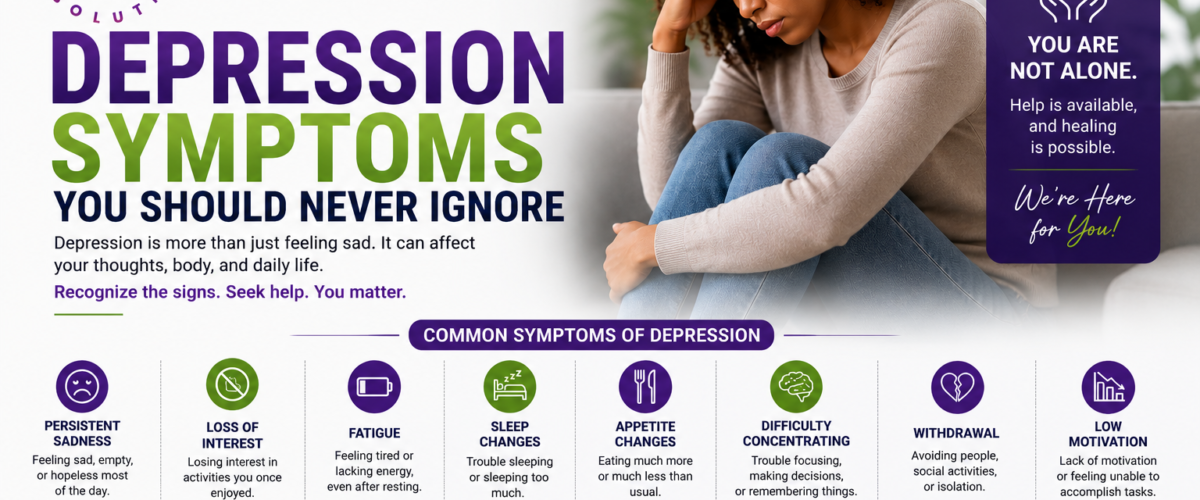
Depression Symptoms You Should Never Ignore

Life comes with difficult seasons.

Everyone feels sad after losing someone they love, facing disappointment, or going through a stressful period. Those emotions are part of being human. They usually soften with time, even if the healing process takes weeks or months.

Depression is different.

It can quietly change the way you think, feel, and experience everyday life. It affects motivation, relationships, physical health, and even simple tasks like getting out of bed or preparing a meal. Many people continue working, caring for their families, and meeting responsibilities while silently struggling inside.

One of the biggest challenges is that depression does not always look the way people expect. It is not always constant crying or obvious sadness. Sometimes it appears as exhaustion that never improves, irritability that strains relationships, or a loss of interest in activities that once brought happiness.

Many people ask themselves questions like, “Am I just having a bad week?” or “Why can’t I enjoy anything anymore?” These are common concerns, and they deserve thoughtful answers.

Recognizing depression symptoms early can make a meaningful difference. Early support often leads to better outcomes and helps prevent symptoms from becoming more severe over time.

What Is Depression?

Depression is a medical condition that affects emotional, psychological, and physical wellbeing. It is often referred to as a mood disorder because it influences the way a person thinks, feels, and responds to daily life.

Unlike temporary sadness, depression persists. Symptoms often last for weeks or months and begin affecting work, relationships, sleep, appetite, and overall quality of life.

Many people try to push through these feelings, believing they simply need to work harder or stay positive. Unfortunately, depression rarely improves through willpower alone.

Professional care, healthy coping strategies, and in some cases depression treatment can help people regain stability and enjoy life again.

The Difference Between Sadness and Depression

One of the biggest misconceptions is believing sadness and depression are the same.

Sadness usually has a clear cause.

Perhaps you received disappointing news. Maybe a relationship ended or you lost a loved one. Although these experiences can be deeply painful, emotions gradually begin to shift as time passes.

Depression is different because it often changes how your entire world feels.

You may wake up every morning feeling emotionally drained without fully understanding why. Activities you once enjoyed no longer feel rewarding. Even positive events may seem emotionally distant.

A person with depression may smile during conversations, complete work assignments, and attend family gatherings while privately feeling empty inside.

This hidden struggle is one reason depression is sometimes called an invisible illness.

Early Depression Symptoms in Adults

Depression often develops gradually.

Most people do not wake up one morning feeling completely different.

Instead, subtle changes begin to appear.

You may notice persistent sadness that lingers throughout the day. Motivation becomes harder to find. Tasks that once felt simple suddenly require significant effort.

Some people begin withdrawing from friends and family without realizing it.

Others become unusually irritable or impatient.

Changes in sleep are also common. Some people struggle with insomnia while others sleep much longer than usual but still wake up exhausted.

Changes in appetite can occur as well. Some lose interest in eating while others eat more frequently for comfort.

Difficulty concentrating becomes another warning sign. Reading, making decisions, remembering appointments, or staying focused at work may suddenly feel much more difficult.

These early signs are often dismissed as stress or burnout.

Sometimes they are.

Sometimes they are the first indication of depression.

Depression Symptoms You Should Never Ignore

Certain symptoms deserve prompt attention because they often indicate depression is significantly affecting daily life.

Persistent Low Mood

Feeling emotionally down for several days after a stressful event is understandable.

Feeling persistently sad, empty, or hopeless for weeks is different.

This ongoing low mood often becomes the foundation for many other symptoms.

People frequently describe it as carrying emotional weight they cannot put down.

Loss of Interest in Activities

One of the clearest depression symptoms is losing interest in things that once brought enjoyment.

Hobbies become chores.

Social events feel exhausting.

Even spending time with loved ones may no longer provide comfort.

This symptom often surprises people because it develops gradually.

They simply stop looking forward to the things they once loved.

Constant Fatigue

Depression affects energy in ways many people do not expect.

Someone may sleep eight or nine hours yet still wake up feeling completely exhausted.

Simple household tasks become overwhelming.

Returning emails feels difficult.

Preparing dinner seems impossible.

This type of fatigue is not simply being tired after a busy week.

It is an ongoing lack of physical and emotional energy.

Difficulty Concentrating

Many people associate concentration problems with stress.

Depression can create similar difficulties.

People often report reading the same paragraph repeatedly without remembering it.

Work performance may decline.

Decision making becomes slower.

Small choices suddenly feel overwhelming.

These cognitive changes are real and should never be dismissed as laziness.

Changes in Sleep

Sleep often changes significantly during depression.

Some individuals struggle to fall asleep.

Others wake throughout the night.

Some begin sleeping much longer than usual yet never feel rested.

Because sleep affects emotional health, these changes can create a cycle where depression worsens and quality of sleep continues to decline.

Appetite and Weight Changes

Depression affects eating habits differently from person to person.

Some lose interest in food entirely.

Others eat more frequently as a way to cope emotionally.

Unexpected weight changes without another medical explanation deserve attention, particularly when they occur alongside other symptoms.

Feelings of Worthlessness or Excessive Guilt

Many people living with depression become extremely self critical.

They blame themselves for situations outside their control.

They may believe they are disappointing others or failing in ways that are not supported by reality.

These thoughts can become persistent and emotionally exhausting.

Professional evaluation can help separate depression related thinking from objective reality.

Symptoms That Require Immediate Attention

While many depression symptoms develop gradually, some require urgent professional evaluation.

Thoughts of self harm, suicidal thoughts, or feeling that life is no longer worth living should never be ignored.

These experiences deserve immediate support.

Reaching out to a trusted family member, a mental health professional, or emergency services can be a lifesaving step.

Seeking help during these moments is an act of strength and self protection.

Why People Often Miss the Signs

One reason depression goes untreated is that people become accustomed to feeling unwell.

They assume everyone feels this exhausted.

They believe constant stress is simply part of adulthood.

Others worry about being judged.

Some fear that asking for help means they are weak.

In reality, depression affects people from every background.

Professionals, students, parents, business owners, healthcare workers, and retirees can all experience depression.

It is a medical condition, not a character flaw.

A Real Life Example

Imagine a woman who has worked as a teacher for fifteen years.

She enjoys helping students and has always been active with family and friends.

Over several months she notices that getting ready for work feels harder.

She stops reading books she once loved.

She begins declining invitations from close friends because she feels emotionally drained.

At first, she tells herself she is simply overworked.

Months later, the symptoms remain.

She eventually schedules a psychiatric evaluation and learns she is experiencing major depression.

With the right depression treatment, regular follow up, and support, she gradually begins reconnecting with her life.

Stories like this are common.

Depression often develops quietly.

Recognizing the signs early can change the direction of someone’s recovery.

raft.

When to Seek Professional Help for Depression

One question comes up again and again.

“How do I know when it’s time to ask for help?”

There isn’t a single answer that fits everyone. What matters most is how depression is affecting your daily life.

If your symptoms have lasted for two weeks or longer, interfere with work or school, make it difficult to maintain relationships, or leave you struggling to complete everyday tasks, it is time to speak with a qualified mental health professional.

Some people wait months because they hope things will improve on their own.

Others worry that seeking care means their symptoms are “serious enough.”

Mental health does not work that way.

You do not have to reach a crisis before asking for support. In fact, early treatment often leads to better outcomes and may prevent symptoms from becoming more severe.

Can Depression Go Away on Its Own?

This is another common question.

For some people, mild symptoms may improve after a stressful situation ends. A difficult project at work, a temporary life change, or emotional exhaustion can sometimes ease with rest and time.

Clinical depression is different.

Without treatment, symptoms may continue for months or even years. They can also become more severe or return after improving for a short period.

Waiting too long often affects relationships, career growth, physical health, and overall quality of life.

Seeking professional guidance does not mean you will automatically need medication.

It means you are giving yourself the opportunity to understand what is happening and explore appropriate treatment options.

How a Psychiatric Mental Health Nurse Practitioner Treats Depression

Many people are unfamiliar with the role of a Psychiatric Mental Health Nurse Practitioner, often called a PMHNP.

A PMHNP is an advanced practice registered nurse with specialized education and clinical training in mental health care.

They evaluate symptoms, diagnose mental health conditions, develop treatment plans, provide medication management when appropriate, and monitor progress over time.

Treatment begins with listening.

A PMHNP wants to understand more than a list of symptoms. They ask about your daily life, physical health, sleep patterns, family history, work, relationships, and the challenges you are facing.

This complete picture helps create a treatment plan that reflects your unique needs instead of using the same approach for everyone.

Depression Treatment Options

Depression treatment looks different for each person.

The right plan depends on symptom severity, medical history, personal preferences, and overall health.

Therapy

Therapy helps many people understand the thoughts, behaviors, and emotional patterns that contribute to depression.

It also provides practical tools for managing stress, improving relationships, and developing healthier coping strategies.

For some individuals, therapy alone is enough to create meaningful improvement.

Medication Management

Medication may be recommended when symptoms are moderate to severe or when depression significantly affects daily functioning.

Finding the right medication sometimes takes time.

A PMHNP monitors progress carefully, discusses possible side effects, and adjusts treatment when necessary.

The goal is always to find the safest and most effective option for each patient.

Lifestyle Changes

Healthy routines cannot replace professional care when depression is severe, but they often support recovery.

Regular sleep, balanced nutrition, physical activity, meaningful social connection, and stress management all contribute to emotional wellbeing.

Small changes practiced consistently often have a greater impact than dramatic short term efforts.

Medication Does Not Mean You Have Failed

Many people hesitate to begin medication because they fear it reflects personal weakness.

That belief prevents some individuals from receiving helpful treatment.

Depression involves changes in brain function, emotional regulation, and sometimes physical health.

Medication is one treatment option among many.

Some people need it temporarily.

Others benefit from longer term treatment.

There is no universal timeline.

The focus should remain on improving quality of life rather than judging the treatment itself.

Common Misconceptions About Depression

Misunderstandings continue to create barriers for many people.

One common belief is that depression is simply negative thinking.

Depression is far more complex.

Another misconception is that successful people cannot experience depression.

In reality, professionals, parents, business owners, students, healthcare workers, and community leaders experience depression every day.

Many continue functioning while quietly carrying an emotional burden others never see.

Some also believe talking about depression makes it worse.

Research and clinical experience suggest the opposite.

Open conversations with trusted professionals often become the beginning of recovery.

What Recovery Really Looks Like

Recovery rarely happens overnight.

Progress often comes in small steps.

A person may begin sleeping better before mood improves.

Someone else may notice they are enjoying conversations again after weeks of emotional numbness.

Others regain energy slowly over time.

Recovery does not always mean symptoms disappear completely.

It means learning effective ways to manage depression while rebuilding a fulfilling life.

Setbacks may happen.

They do not mean treatment has failed.

They often become opportunities to adjust the care plan and continue moving forward.

Supporting Someone Living With Depression

Family members often want to help but are unsure what to do.

Listening without judgment is one of the most valuable forms of support.

Simple statements like “I’m here for you” often mean far more than trying to solve the problem immediately.

Avoid telling someone to “cheer up” or “think positive.”

Depression is not a choice.

Encouraging professional care while remaining patient and supportive creates a safer environment for recovery.

Looking Beyond Symptoms

One aspect many articles overlook is that depression affects much more than emotions.

It influences physical health, concentration, relationships, work performance, confidence, and long term wellbeing.

Treating depression is not only about reducing sadness.

It is about helping people reconnect with the parts of life that matter most.

That broader perspective often makes the biggest difference.

Conclusion

Depression can develop gradually, making it difficult to recognize until it begins affecting nearly every part of life.

Persistent sadness, loss of interest, fatigue, changes in sleep, difficulty concentrating, hopelessness, and withdrawal from loved ones are depression symptoms that should never be ignored.

Seeking professional help is not a sign that you have failed.

It is a practical step toward understanding what you are experiencing and finding effective support.

A Psychiatric Mental Health Nurse Practitioner can evaluate your symptoms, discuss depression treatment options, and work with you to create a plan that fits your needs and goals.

Recovery is possible.

Many people who once felt overwhelmed by depression go on to build healthier, more fulfilling lives with the right care, patience, and ongoing support.

If depression has been affecting your daily life, consider reaching out to a qualified mental health professional. Taking that first step may open the door to meaningful and lasting improvement.

Anxiety

Panic Attacks vs Anxiety Attacks: What’s the Difference?

Many people use the terms panic attacks and anxiety attacks as if they mean the same thing.

It’s easy to see why.

Both can feel overwhelming. Both can create intense emotional and physical symptoms. Both can leave someone feeling frightened, exhausted, and unsure about what just happened.

Yet there are important differences between the two.

Understanding those differences can help people recognize what they are experiencing, seek appropriate support, and avoid unnecessary fear.

One of the most common concerns mental health professionals hear is, “I thought I was having a heart attack.”

Another is, “I don’t know if this is anxiety or something more serious.”

These concerns are understandable. Panic attacks and anxiety attacks can feel frightening, especially when symptoms appear suddenly or become difficult to control.

This guide explains how panic attacks and anxiety attacks differ, what causes them, when professional help may be beneficial, and what steps can help someone move forward with confidence.

Why the Difference Matters

At first glance, distinguishing between panic attacks and anxiety attacks may seem unimportant.

After all, both involve anxiety.

However, understanding the distinction helps people make sense of their symptoms.

It also helps healthcare providers determine whether someone may be experiencing panic disorder, generalized anxiety disorder, social anxiety, trauma related symptoms, or another mental health condition.

Accurate understanding leads to more effective treatment.

Misunderstanding symptoms often leads people to delay seeking help or focus on the wrong solutions.

What Is an Anxiety Attack?

Interestingly, the term anxiety attack is widely used but does not have a formal clinical definition in the same way panic attacks do.

Most people use the phrase anxiety attack to describe a period of intense anxiety that gradually builds in response to stress, worry, or fear.

Anxiety attacks often develop around specific concerns.

A person worried about finances may feel anxiety building throughout the day.

Someone anticipating a major presentation may notice increasing tension, nervousness, and physical discomfort.

Anxiety usually has a recognizable trigger.

The symptoms often grow gradually rather than appearing instantly.

Common Anxiety Attack Symptoms

Anxiety attacks can affect both the mind and body.

People frequently describe excessive worry, restlessness, muscle tension, difficulty concentrating, irritability, rapid heartbeat, sweating, nausea, and trouble sleeping.

The intensity varies.

Some people remain functional while feeling anxious.

Others find symptoms significantly interfere with daily life.

What Is a Panic Attack?

Panic attacks are different.

A panic attack is a sudden surge of intense fear or discomfort that reaches its peak within minutes.

The experience can feel abrupt and overwhelming.

Many people report feeling completely fine one moment and terrified the next.

Unlike anxiety attacks, panic attacks can occur without an obvious trigger.

Someone may be relaxing at home, driving to work, or shopping at a grocery store when symptoms suddenly begin.

This unpredictability is one reason panic attacks often feel especially frightening.

Common Panic Attack Symptoms

Panic attacks frequently involve intense physical sensations.

People often experience chest pain, shortness of breath, dizziness, trembling, sweating, heart palpitations, numbness, tingling sensations, nausea, and feelings of losing control.

Some describe feeling detached from reality or disconnected from themselves.

Others fear they are dying.

These experiences can feel so convincing that many people seek emergency medical care during their first panic attack.

The Key Differences Between Panic Attacks and Anxiety Attacks

The distinction becomes clearer when looking at how symptoms develop.

Anxiety attacks generally build over time.

Panic attacks usually appear suddenly.

Anxiety often revolves around a specific concern or stressor.

Panic attacks may occur without warning.

Anxiety symptoms can persist for hours, days, or even weeks.

Panic attacks tend to peak rapidly and often resolve within twenty to thirty minutes, although lingering anxiety may remain afterward.

One way patients often describe the difference is this:

Anxiety feels like a storm slowly approaching.

A panic attack feels like a lightning strike.

Why Panic Attacks Feel So Physical

One aspect many articles overlook is why panic attacks create such intense physical symptoms.

The body’s fight or flight response plays a major role.

When the brain perceives danger, it releases stress hormones that prepare the body for action.

Heart rate increases.

Breathing changes.

Muscles tighten.

Blood flow shifts toward large muscle groups.

During a true emergency, these responses can be protective.

During a panic attack, they occur even when no immediate danger exists.

This creates symptoms that feel alarming but are often not physically harmful.

Understanding this process helps reduce fear surrounding the experience.

Common Triggers for Anxiety and Panic

Triggers vary from person to person.

For anxiety attacks, common triggers include work stress, financial pressure, relationship problems, health concerns, academic demands, and ongoing uncertainty.

Panic attacks may develop during periods of high stress, but they can also occur unexpectedly.

Certain factors increase vulnerability.

Sleep deprivation, excessive caffeine intake, chronic stress, trauma history, substance use, and underlying anxiety disorders can all contribute.

Recognizing patterns can be an important part of treatment.

Mistakes People Commonly Make

One of the biggest mistakes is assuming symptoms will simply disappear on their own.

While occasional anxiety is normal, recurring panic attacks or persistent anxiety deserve attention.

Another common mistake is avoiding situations associated with symptoms.

Someone who experiences a panic attack while driving may stop driving altogether.

Another person may avoid crowded places after having symptoms in public.

While avoidance can provide short term relief, it often strengthens fear over time.

People also frequently self diagnose based on information from social media or online forums.

Accurate evaluation requires a broader understanding of symptoms, medical history, and individual circumstances.

When Should You Seek Professional Help?

Many people wonder where the line exists between normal stress and a condition that requires treatment.

A useful guideline is to consider impact.

If symptoms interfere with work, relationships, sleep, daily activities, or overall quality of life, professional support may be beneficial.

Frequent panic attacks deserve evaluation.

Persistent anxiety that feels difficult to manage also warrants attention.

Seeking help early often prevents symptoms from becoming more disruptive.

How Mental Health Professionals Evaluate Symptoms

A comprehensive mental health evaluation looks beyond symptoms alone.

Providers explore medical history, emotional wellbeing, stressors, family history, sleep patterns, physical health, and lifestyle factors.

This process helps identify whether symptoms are related to panic disorder, generalized anxiety disorder, social anxiety disorder, post traumatic stress disorder, depression, or another condition.

The goal is not simply assigning a label.

The goal is understanding what is happening and identifying effective solutions.

Treatment Options That Can Help

Treatment depends on the individual’s needs.

For many people, therapy plays an important role.

Cognitive behavioral therapy is frequently used because it helps individuals recognize thought patterns and behaviors that contribute to anxiety and panic.

Some people benefit from medication management when symptoms become severe or persistent.

Lifestyle changes can also have meaningful impact.

Improved sleep habits, regular physical activity, stress reduction strategies, and limiting excessive caffeine intake often support recovery.

Treatment works best when tailored to the person rather than applying the same approach to everyone.

Long Term Outlook

Many people worry that panic attacks or severe anxiety will control their lives forever.

Fortunately, that is often not the case.

With proper treatment and support, many individuals experience significant improvement.

Symptoms become more manageable.

Confidence returns.

Daily activities feel less restricted.

Progress rarely happens overnight.

It often occurs gradually through consistent care, education, and healthy coping strategies.

What Family Members and Loved Ones Should Know

Watching someone experience a panic attack can be frightening.

Friends and family often feel unsure how to respond.

The most helpful approach is usually remaining calm, offering reassurance, and avoiding judgment.

Telling someone to “just relax” rarely helps.

Listening, supporting, and encouraging professional care when appropriate is often far more effective.

Mental health recovery is easier when people feel supported rather than criticized.

Final Thoughts

Panic attacks and anxiety attacks share similarities, but they are not identical experiences.

Anxiety attacks typically build gradually around stress or worry. Panic attacks appear suddenly and often involve intense physical symptoms that can feel alarming.

Understanding these differences helps people make sense of what they are experiencing and seek appropriate support when needed.

Most importantly, recurring anxiety or panic symptoms are not something you have to navigate alone.

Effective treatments exist. Professional guidance can provide clarity, reassurance, and practical tools that help people regain control of their lives.

If symptoms are interfering with your wellbeing, reaching out for support may be one of the most important steps you take.